Photo: Mobius / Wikimedia Commons, Public domain
About a third of the world’s people still cook with open fires or simple stoves burning wood, charcoal, crop waste, dung, coal or kerosene. The smoke fills homes with fine particles and carbon monoxide. The World Health Organization estimates that household air pollution from cooking with polluting fuels causes about 3.2 million premature deaths a year, from stroke, heart disease, lung disease and pneumonia in children. Earlier WHO estimates put the toll even higher, around 4 million.
Who is most affected
Women and young children, who spend the most time near the cooking fire, bear the heaviest burden. Collecting fuel also takes hours each week in many communities and contributes to deforestation in some regions.
What cleaner stoves can do
Improved cookstoves burn fuel more completely and vent smoke away from the cook. Stoves that use liquefied petroleum gas, biogas, ethanol or electricity cut indoor pollution much further. The Clean Cooking Alliance, launched in 2010 as the Global Alliance for Clean Cookstoves, works with governments and businesses to expand access. Experience has shown that stoves must be affordable, durable and suited to local cooking habits, or families go back to the open fire.
Closer to home: wood smoke in New York
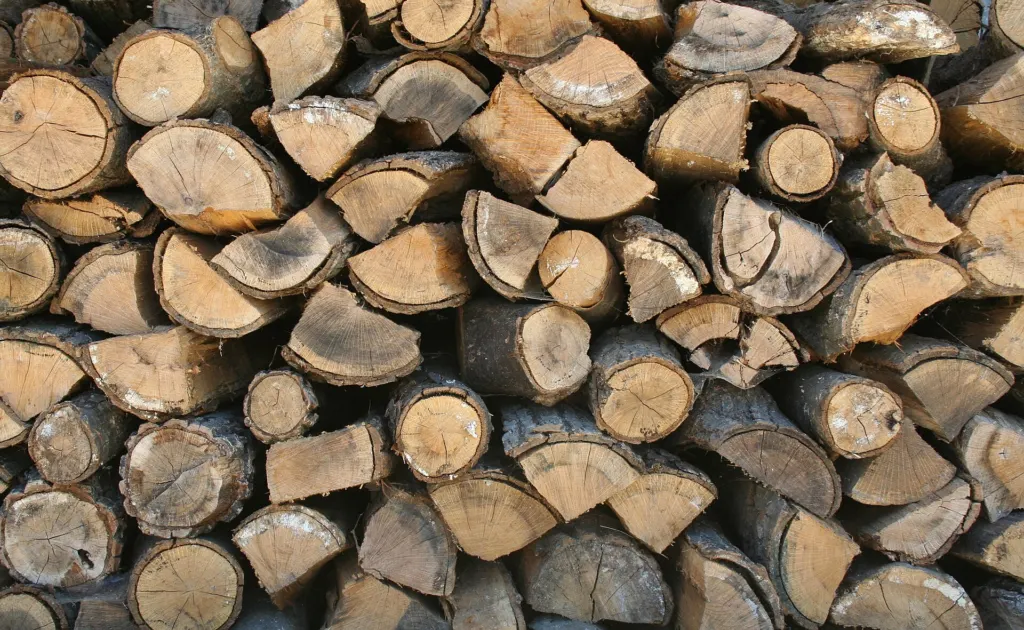
Wood smoke is a smaller but real issue in upstate New York, where many homes heat with wood stoves, fireplaces or outdoor wood boilers. Smoke contains the same fine particles that harm health worldwide. A few practical points:
- Burn dry, seasoned wood. Wood that has dried for at least six months burns hotter and cleaner. Never burn trash, painted wood or plastics.
- Use a certified stove. Newer EPA-certified wood stoves produce far less smoke than older models. The U.S. EPA’s Burn Wise program explains how to choose and use one.
- Outdoor wood boilers are regulated by the state Department of Environmental Conservation, which sets setback and stack-height requirements and emission standards for new units.
- Install carbon monoxide alarms on every level of the home. New York law requires them in most residences.
- Check air quality alerts. The DEC and the National Weather Service issue air quality advisories, including for smoke from distant wildfires, as happened across the Capital Region in 2023.
Households considering a switch away from wood or oil heat can find incentives for heat pumps and weatherization through NYSERDA and their utility.