Photo: Jason / Wikimedia Commons, CC BY 2.0
In 2015, with California in a historic drought and cities under mandatory conservation orders, the city of Healdsburg in Sonoma County began offering recycled water from its wastewater treatment plant to residents at no charge. People filled tanks and containers at a pickup station and used the water on lawns, gardens and trees that would otherwise have died under watering restrictions.
What recycled water is
Recycled, or reclaimed, water is municipal wastewater that has been treated to a standard suitable for specific uses. In California, the most common uses are landscape irrigation, agriculture and industrial cooling. Water treated to a higher level can recharge groundwater, and a few systems now treat it to drinking water standards. Healdsburg’s program used water treated for non-drinking uses, and the city provided guidance on safe handling: do not drink it, do not use it on edible parts of vegetables, and do not let it pool or run off.
The program was popular enough that other California communities adopted similar ideas during droughts.
New York’s situation is different
New York is water-rich by comparison, and most of its communities draw drinking water from reservoirs, rivers, lakes and aquifers that are rarely threatened by prolonged drought. Water reuse exists here, mainly at industrial sites, power plants and golf courses, but it is far less common than in the arid West. State regulators and county health departments oversee any reuse of treated wastewater.
Droughts do happen. The Northeast has seen dry spells that prompted water conservation requests and burn bans, and the state Department of Environmental Conservation issues drought watches and warnings by region when needed.
Where local drinking water comes from
- Albany draws primarily from the Alcove Reservoir in the town of Coeymans, with the Basic Creek Reservoir as a supplementary supply.
- Troy relies on the Tomhannock Reservoir in Rensselaer County.
- Schenectady draws from the Great Flats Aquifer, an underground source beneath the Mohawk Valley.
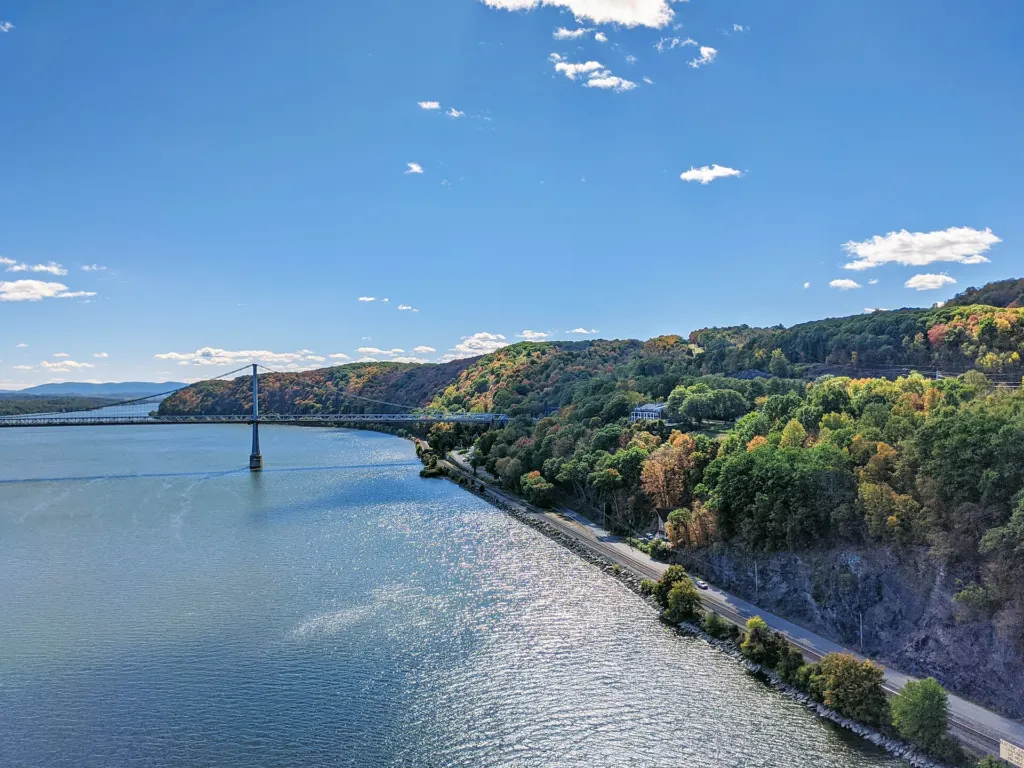
- Poughkeepsie and the Town of Poughkeepsie treat water from the Hudson River itself at a jointly owned plant.
Every public water system must publish an annual water quality report, sometimes called a consumer confidence report, listing its source and test results. Most are posted on city or water authority websites.
Saving water at home
Even in a wet state, conserving water lowers bills and reduces strain on treatment plants. Fixing leaks, using rain barrels for gardens and watering early in the morning are simple steps. Check local rules before installing a rain barrel or graywater system, since plumbing codes apply.