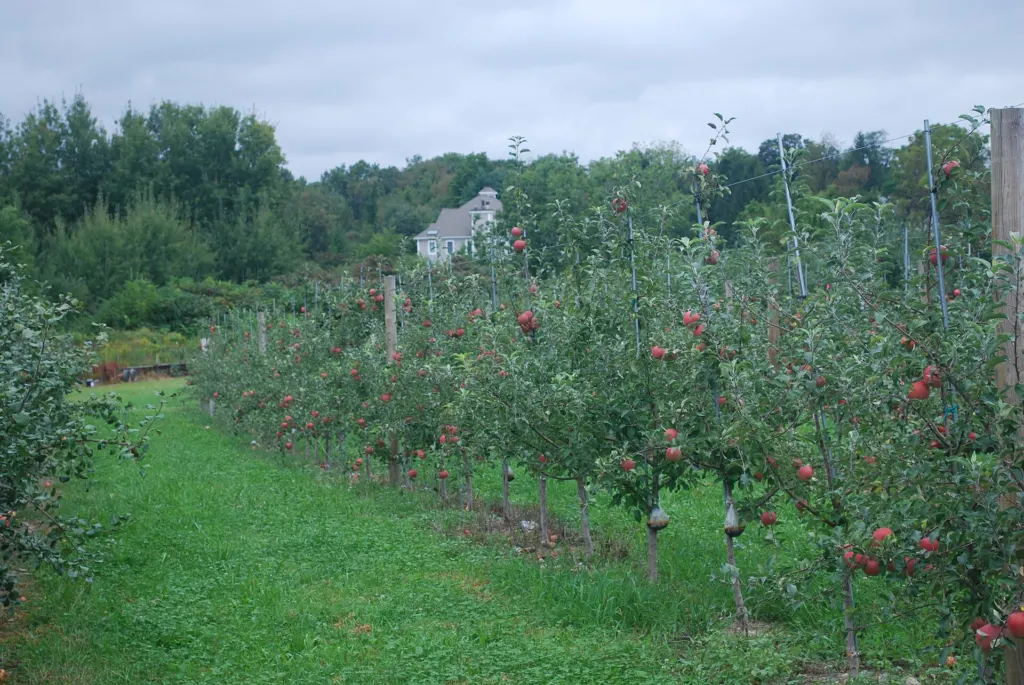
Photo: Juliancolton / Wikimedia Commons, Public domain
In 2006, an outbreak of E. coli O157:H7 linked to bagged spinach from California sickened people across the country. In the years that followed, some produce buyers pressured growers to keep wildlife away from fields, and some farms removed hedgerows, ponds and natural vegetation around their crops on the theory that fewer animals would mean fewer pathogens.
What the research found
A team led by researchers at the University of California, Davis, and the University of California, Berkeley analyzed years of pathogen testing data from produce farms on the Central Coast, along with satellite images of land use. Their study, published in the Proceedings of the National Academy of Sciences in 2015, found no evidence that removing surrounding natural habitat reduced the prevalence of the pathogens it was meant to control. The researchers concluded that the clearing came with real costs to wildlife and water quality without the safety payoff.
Related work by ecologists has examined whether natural habitat around farms helps or hurts pest control and crop health. The results vary by crop and region, but many studies find that field margins and hedgerows support pollinators and the predators of crop pests, while rarely harming yields.
The Hudson Valley picture
The Hudson Valley’s farms are smaller and more varied than California’s industrial produce operations: orchards in Ulster and Columbia counties, vegetable farms in Orange County’s black dirt region, dairies, vineyards and diversified farms selling at markets from Kingston to Saratoga Springs. Many sit beside woods, streams and wetlands that predate the farms themselves.
For growers covered by the federal Food Safety Modernization Act’s Produce Safety Rule, the U.S. Food and Drug Administration’s guidance does not require the destruction of animal habitat. It calls for assessing the risk of contamination before harvest and not harvesting produce that is visibly contaminated. Cornell University’s Produce Safety Alliance trains growers in New York and nationwide on meeting the rule while protecting natural resources.
Help for farms
- Cornell Cooperative Extension offices in every county offer food safety, pest management and pollinator guidance.
- The USDA Natural Resources Conservation Service funds hedgerows, buffers and habitat plantings through cost-share programs such as EQIP.
- County soil and water conservation districts help farms plan buffers that protect streams and reduce runoff.
The lesson from the research is practical: targeted food safety practices work better than clearing the landscape around a field.