Photo: Daniel Case / Wikimedia Commons, CC BY-SA 3.0
When health officials close a beach, the concern is usually the water. But researchers have found that the sand can hold bacteria as well, sometimes at higher concentrations than the water nearby.
What the studies found
Sand at the water’s edge stays moist, sheltered from sunlight and rich in organic matter, conditions that help bacteria survive. Studies on the Great Lakes and ocean beaches have measured fecal indicator bacteria such as E. coli and enterococci in sand, sometimes at levels well above those in the water.
A study led by researchers at the University of North Carolina and the U.S. Environmental Protection Agency surveyed thousands of beachgoers at several U.S. beaches. Published in the journal Epidemiology in 2012, it found that people who dug in the sand or were buried in it were somewhat more likely to report gastrointestinal illness in the following days than those who did not. The risk was modest, and the researchers said the findings were a reason for simple precautions rather than avoiding beaches.
Simple precautions
- Wash hands, or use hand sanitizer, before eating at the beach, especially after children have been digging.
- Rinse off sand at the beach showers before leaving.
- Cover cuts and scrapes, and keep sand out of open wounds.
- Avoid areas where birds congregate, since bird droppings are a common source of bacteria.
- Stay out of the water for a day or two after heavy rain, when runoff can carry contaminants.
How New York monitors beaches
In New York, bathing beaches are regulated under the State Sanitary Code, and county health departments or state agencies sample the water at regulated beaches during the swimming season. When bacteria counts exceed standards, or after heavy rain, beaches can be closed until tests come back clean. Harmful algal blooms, which can form on lakes and ponds in late summer, are another common reason for closures; the DEC tracks reported blooms on its website.
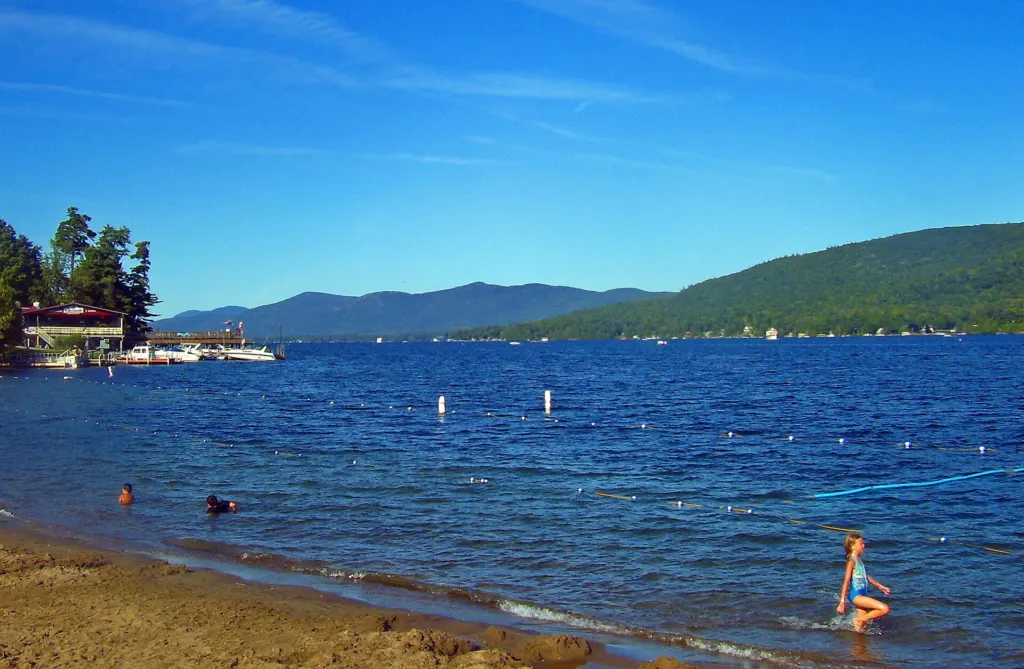
In the Capital Region and Adirondack foothills, popular swimming spots include state park beaches such as Moreau Lake and Thompson’s Lake, and Lake George’s Million Dollar Beach. The state Office of Parks, Recreation and Historic Preservation posts closures for state park beaches, and county health departments post notices for municipal beaches.
The bottom line
A day at the beach is far more likely to bring sunburn than stomach trouble. Washing hands, rinsing off and paying attention to closure notices take care of most of the risk that sand presents.